
Types of Alarplasty: Understanding the Different Approaches to Nostril Reduction
Alarplasty, also known as nostril reduction surgery, is a highly specialized procedure designed to reshape the nostrils and improve nasal balance.
Historically, this procedure was first described in the medical literature as the Weir excision, named after the surgeon who introduced the technique. As alarplasty became more widely adopted, surgeons began describing two primary approaches: alar rim excision and nasal sill excision.
To understand these techniques, it helps to first understand the anatomy.
The alar rim is the curved outer edge of the nostril.
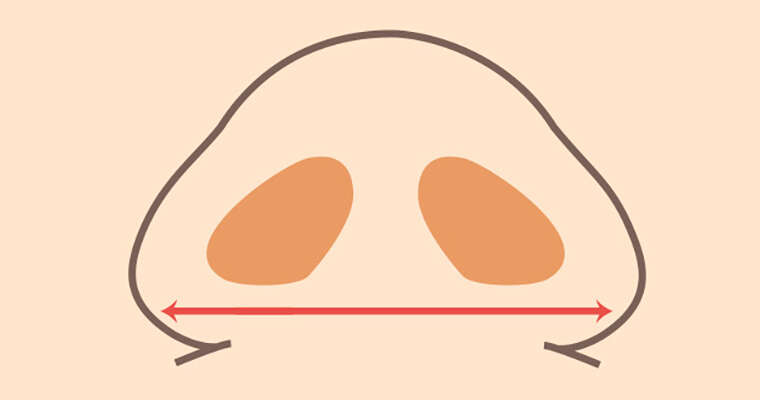
The nasal sill is the tissue at the base of the nostril where it meets the upper lip and cheek.
Different nostril shapes require different surgical strategies.
- Nasal Sill Reduction
For patients whose nostrils appear excessively wide at the base, the primary issue is often excess width in the nasal sill region.
In these cases, tissue removal is focused more toward the nasal sill, with the incision carefully hidden within the natural crease between the nostril and the cheek (the alar-facial groove).
This approach helps narrow the nostril base while maintaining a natural appearance.
- Alar Rim Reduction
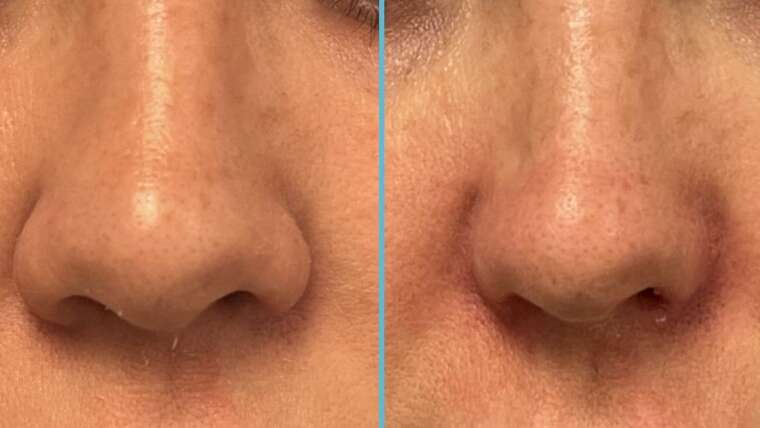
Some patients are less concerned about width and more bothered by nostril flare or roundness.
In these cases, the surgical emphasis shifts toward the alar rim itself.
The incision is positioned closer to the nostril edge to reduce outward flare and create a more refined nostril contour.
The Reality: A More Advanced Modern Approach
While textbooks often describe these as separate procedures, real-world alarplasty is rarely that simple.
In my experience, these are not truly separate operations. Instead, they represent different points along a surgical spectrum.
Over more than 25 years of practice, I have found that the most natural and predictable results come from what I call the Unified Incision Approach.
This means the incision typically involves both the nasal sill and the alar rim, with the exact balance customized to the patient’s anatomy.
- If nostril flare is the primary concern, the excision is shifted more laterally (toward the outside).
- If nostril width is the main issue, the excision is shifted more medially (toward the center).
This creates a tailored procedure rather than a one-size-fits-all operation.
Why Precision Matters
Alarplasty may appear simple, but it is one of the most detail-sensitive facial procedures.
Success depends heavily on surgical judgment, aesthetic experience, and precise planning.
Over the years, I learned that even a 1 mm difference in tissue removal can dramatically affect the final result.
When correcting asymmetry, adjustments may need to be as small as 0.5 mm.
That level of precision is what separates a good result from an exceptional one.
A Third Category: Alar Wall Flattening
There is another advanced variation that is rarely discussed.
Some patients do not simply want smaller nostrils—they want the nostril sidewalls to appear flatter and less rounded.
For carefully selected patients, I perform what I describe as Alar Wall Flattening.
This technique reduces excess soft tissue within the nostril wall, including:
- Skin
- Subcutaneous fat
- Portions of the muscles that contribute to nostril flare
The goal is to transform a rounded, flared nostril into a cleaner, flatter sidewall appearance.
However, this is not appropriate for most patients.
If performed too aggressively or without careful judgment, the nostrils can develop an unnatural triangular or pyramidal appearance, which is aesthetically undesirable and difficult to correct.
This is why patient selection and surgical expertise are critical.
Patient Education Matters
Modern patients are far more informed than in the past.
Today, access to medical information, surgical videos, and educational resources allows patients to better understand their options and communicate their aesthetic goals more clearly.
That is a positive development.
The best outcomes occur when both surgeon and patient share a clear understanding of the desired result.
Three Simple Questions to Ask Yourself
If you are considering alarplasty, start with these questions:
- Do I want my nostril width reduced?
- Do I want nostril flare or roundness reduced?
- Do I want flatter nostril sidewalls?
Your answers help define the surgical strategy.
Final Thoughts
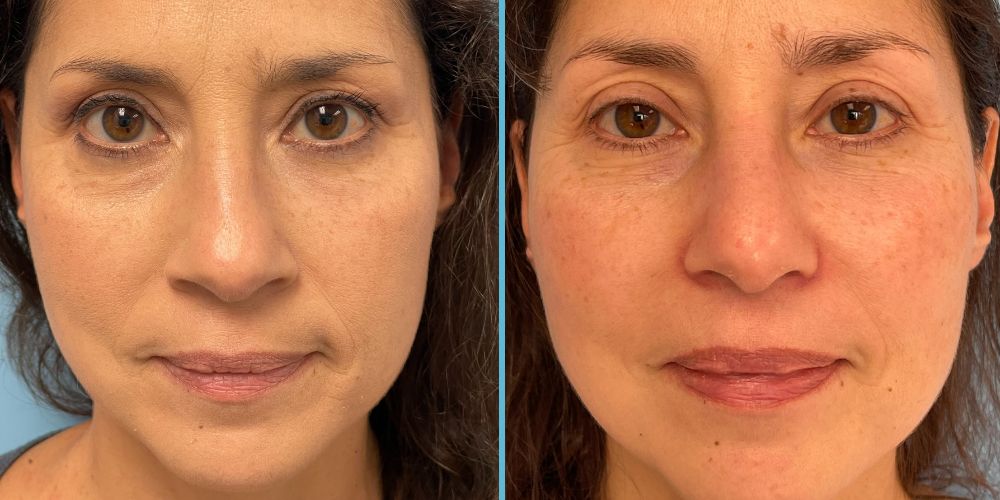
Alarplasty is far more nuanced than simply “making nostrils smaller.”
It is a precision facial procedure that combines anatomy, aesthetics, measurement, and surgical judgment.
When planned correctly, even subtle refinements can dramatically improve facial harmony.
For more information on nostril reduction surgery or to schedule an appointment, contact us toll-free at 877-JANJUA1.
Our location in Bedminister, NJ is within a convenient distance from Morris, Hunterdon, Somerset County, New Jersey, and Philadelphia and New York.