
What Is Alarplasty Surgery?
If you have been researching nostril shape and keep seeing the word alarplasty, you are not alone. Many people want clearer information about what this surgery addresses, who it may suit, and how it differs from other nose procedures. This page is a patient-education overview of alarplasty—also called nostril reduction or nostril narrowing—from my practice at Janjua Facial Surgery in Bedminster, New Jersey.
Individual results vary. The aim here is understanding, not promising a specific look.
What alarplasty means
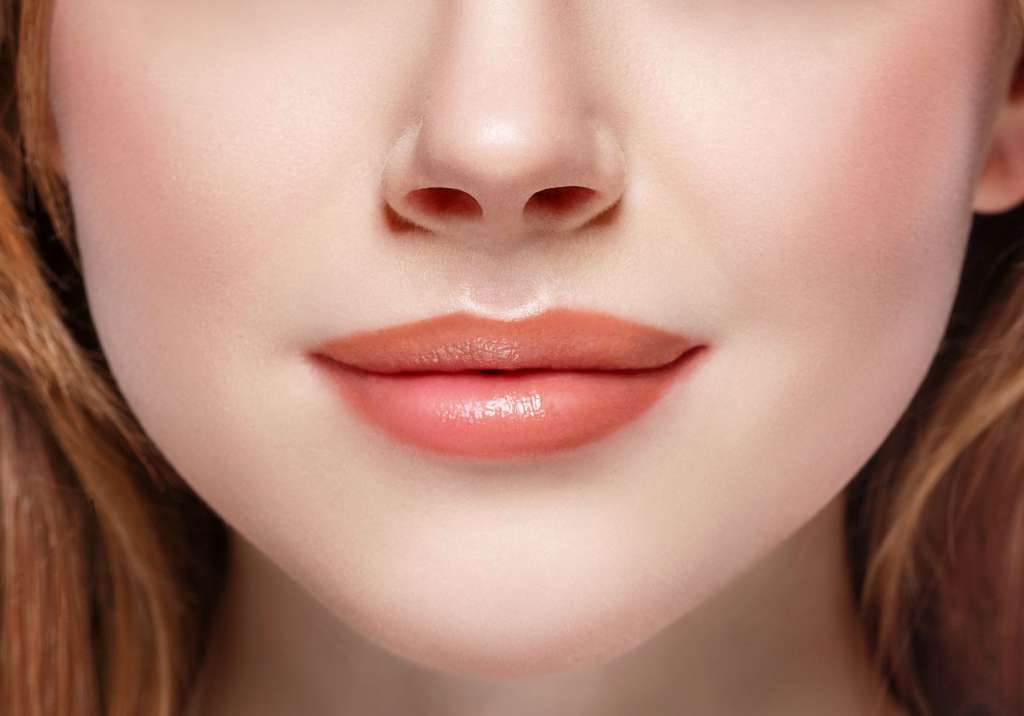
“Ala” is the medical term for each nostril wall. Alarplasty is surgery focused on those areas. In practical terms, it is nostril reduction: a procedure intended to narrow wide nostrils or reduce flare so the lower nose sits in better proportion with the rest of the face.
Some people notice that width or flare becomes more noticeable when they smile. Others feel the nostrils draw attention even at rest. Alarplasty is designed for refinement of that part of the nose—not automatically the same as reshaping the bridge, bones, or overall nasal profile.
Who may be a candidate
People who explore alarplasty often share a similar starting point: the upper nose already feels balanced for their face, but the nostrils look wider or more flared than they prefer. Some want less flare while keeping the character of their own nose. Others hope to avoid a full rhinoplasty if their concerns are limited to the nostril base.
A consultation decides whether surgery is appropriate. Not every concern needs an operation. Honest discussion includes when surgery may not be the right next step.
How the procedure is typically performed
My approach to alarplasty usually involves removing a small triangular piece of tissue where each nostril meets the cheek. Incisions are placed in the natural crease (the alar groove) so the scar can stay well hidden along that transition.
I intentionally preserve about 1 mm of the natural alar-groove skin at that junction. Leaving that thin strip helps keep a natural nose-to-cheek transition and helps camouflage the incision.
How much tissue is taken depends on nostril width and the planned degree of change. Predicting the result only by millimeter narrowing on a front-facing photo can be misleading, because the amount removed does not map one-to-one to what you see from the front. For clearer communication, I often discuss change as a small, medium, or large adjustment, and note that many patients need a medium change.
A careful, conservative plan matters. Tissue that is removed cannot simply be put back. If nostrils still look wider than desired after healing, more tissue can sometimes be addressed later—but removing too much can affect both appearance and breathing. That is why I emphasize precision over aggressive narrowing.
Suture-only methods that try to pull the nostril walls toward the center have been described; I find that those approaches can bunch tissue and are unlikely to be reliably permanent, which is why I generally prefer a small excisional technique. Approaches that keep every cut inside the nose, out of concern about external scars, also tend not to produce as meaningful a change.
Alarplasty vs. rhinoplasty
Alarplasty focuses on the nostrils. Rhinoplasty is a broader operation that can change the nasal tip, the width of the nasal bones, and may involve implants or cartilage from the ear or rib. Rhinoplasty is more involved and is usually done under full anesthesia. Bruising can occur with rhinoplasty. Alarplasty centers on the nostril base and typically does not cause bruising.
Because alarplasty can stand alone, some patients whose only concern is nostril width or flare may not need a full rhinoplasty. That decision depends on anatomy and goals reviewed in consultation.
How alarplasty differs from tip-plasty
Tip-plasty means surgical refinement of the nasal tip. A tip can look round or full (often called a bulbous tip) because of excess cartilage, thicker skin, or soft tissue. Tip-plasty reshapes that area; alarplasty narrows the nostrils.
Some people feel the lower half of the nose looks wide because both flared nostrils and a full tip are present. In those cases, alarplasty and tip-plasty may be discussed together. I often perform the combined approach under local anesthesia without general anesthesia, without rib or ear cartilage grafts or implants, and it typically takes about one to one and a half hours. A small nasal cast is worn for about one week; stitches usually dissolve on their own. Most patients return to work after about one week, with normal activities often around two weeks. Some prefer to stage the procedures and decide later whether the second is still needed.
If your main question is simply about narrowing the nostrils, start with nostril reduction / alarplasty education, then ask in consult whether tip work would add balance.
What consultation usually covers
A consult covers your anatomy, what bothers you, and what surgery can and cannot change—including proportion, breathing considerations, incision placement, and a realistic range of change rather than a guaranteed shape. Photos and exam findings guide planning. Travelers are common; in our practice, patients can often leave the same day, with follow-up sometimes handled virtually.
Call or text our office at (908) 470-2600 to ask about a consult. Our office is at 2345 Lamington Road, Suite 108, Bedminster, NJ 07921, serving Somerset, Morris, and Hunterdon County, New Jersey, with access for patients from the greater New York and Philadelphia areas.
Recovery expectations
Recovery varies by person. Most of my alarplasty patients need roughly a week of downtime, with swelling or tenderness often settling over about one to two weeks. When tip-plasty is combined, a one-week cast and a similar return-to-work timeline are typical. Pain after alarplasty is generally minimal and manageable with over-the-counter acetaminophen when appropriate.
Makeup near the nose should wait as directed—we ask patients to keep makeup off the cheeks and nose area for about two weeks. Existing breathing problems should be discussed before surgery.
Frequently asked questions
Is alarplasty permanent?
Alarplasty is long-lasting and generally considered permanent, though natural aging can still change nasal shape slightly over time. Individual results vary.
Will there be a visible scar?
Incisions are placed in the natural crease beside the alar groove so they can remain well hidden. Scarring risk is minimal when technique and wound care are appropriate.
Can alarplasty be done without full rhinoplasty?
Yes. Alarplasty can be performed by itself when the concern is limited to the nostrils. Whether that is enough depends on your exam and goals.
How is change discussed without chasing millimeter measurements?
Because frontal millimeter measurements do not map cleanly to the tissue removed, I plan using a small / medium / large change framework instead of promising a precise millimeter result.
A careful next step
Alarplasty is one focused option for nostril refinement without necessarily changing the entire nose. Education first, then a consult, clarifies what the procedure addresses, how it differs from rhinoplasty and tip-plasty, and what recovery may look like. Individual results vary. When you are ready, call or text our office at (908) 470-2600 to ask about a consultation in Bedminster, NJ.
For more information on nostril reduction surgery or to schedule an appointment, contact us toll-free at 877-JANJUA1.
Our location in Bedminister, NJ is within a convenient distance from Morris, Hunterdon, Somerset County, New Jersey, and Philadelphia and New York.