
Nostril Variations Across Ethnic Groups: A Guide to Natural Nasal Diversity
The human nose is one of the most distinctive facial features, and no two noses are exactly alike. While every nose performs the same essential functions—warming, humidifying, filtering, and directing airflow—external nasal shape varies widely among individuals and across populations. These differences reflect genetics, ancestry, development, environment, and normal human variation. In facial plastic surgery, understanding nasal diversity is essential for preserving identity while improving balance and function.
Why Do Nostrils Vary?
Nostril shape is determined by several anatomical structures, including the alar cartilages, alar rim, nostril sill, columella, nasal tip, and surrounding soft tissue. Together, these elements influence nostril width, orientation, symmetry, and flare, as well as the appearance of the alar base.
Over many generations, climate has been associated with broad trends in nasal form—for example, narrower nostrils in colder, drier climates and wider nostrils in hotter, more humid regions. However, these patterns overlap substantially and cannot predict an individual patient’s anatomy with precision.
General Population Patterns (With Important Overlap)
Rather than assigning a single “typical” nose to any group, it is more accurate to describe common regional tendencies that still show significant internal variation. Published rhinoplasty and anthropologic reviews note that nasal anatomy can differ across large populations, but there is major overlap within and between groups.
For this reason, every patient should be evaluated on individual anatomy, cartilage support, skin thickness, and facial proportions rather than ethnicity alone.
Why Individual Anatomy Matters Most
Although anthropologists and surgeons describe broad trends, ethnicity alone never determines nostril shape. Family genetics, facial proportions, cartilage strength, skin thickness, prior trauma, and previous surgery all contribute to the final appearance of the nose.
Experienced facial plastic surgeons therefore analyze each patient’s unique nasal anatomy instead of relying on a single category or stereotype. This individualized approach is central to modern ethnic rhinoplasty and alar base surgery.
What Is Alarplasty?
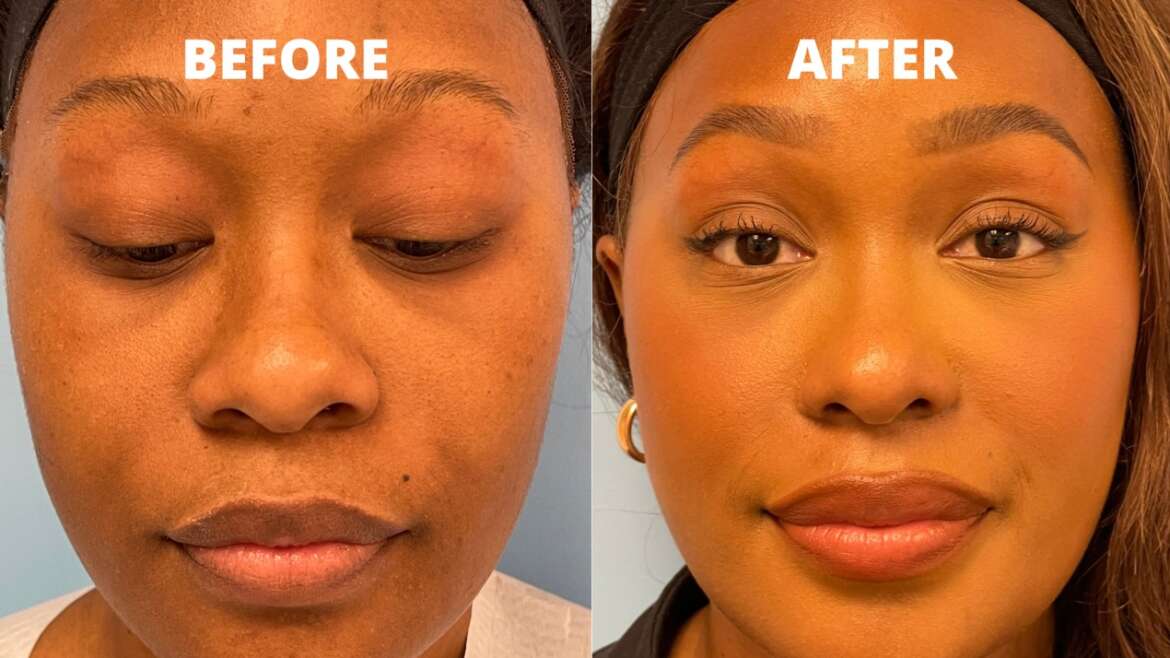
Alarplasty, also called alar base reduction or nostril reduction surgery, is a focused procedure designed to reduce excessive nostril width or nostril flare. Unlike a full rhinoplasty, alarplasty concentrates on the nostril base and the outer edges of the nostrils where they meet the cheeks.
The goal is not to erase identity, but to refine nasal proportions and alar base width while preserving the patient’s natural character, facial harmony, and nasal function.
What a Good Alarplasty Result Should Achieve
A successful alarplasty should aim for:
- Improved facial balance and nasal harmony
- Reduced nostril flare when appropriate
- Better nostril symmetry without over-narrowing
- Natural-appearing results at rest and during animation
- Preservation of each patient’s defining features and identity
- Minimal, well-placed scarring at the alar base
These goals require careful planning and precise technique, particularly in patients with thicker skin, stronger alar flare, or prior nasal surgery.
Why Surgical Expertise Matters
Ethnic and regional variation in nasal anatomy makes alarplasty more complex than a simple “one-size-fits-all” operation. Removing too much tissue can create an unnatural appearance, compromise breathing, or distort nostril shape and alar support.
An experienced facial plastic surgeon evaluates alar base width, nostril shape, flare, skin thickness, cartilage support, nasal airflow, and the patient’s goals before recommending surgery. This comprehensive analysis helps design a tailored plan that respects anatomy, function, and cultural identity.
Final Thoughts: Celebrating Nasal Diversity
Human nostrils exist in countless beautiful variations, reflecting the diversity of our species and our different ancestral environments. There is no single ideal nostril shape, and aesthetic nasal surgery should never aim to make every nose look the same.
Modern alarplasty and ethnic rhinoplasty are about refinement, not standardization. The best results come from individualized planning that honors each patient’s anatomy and background while enhancing facial balance and maintaining nasal function.
For more information on nostril reduction surgery or to schedule an appointment, contact us toll-free at 877-JANJUA1.
Our location in Bedminister, NJ is within a convenient distance from Morris, Hunterdon, Somerset County, New Jersey, and Philadelphia and New York.